

A wall mounted light fixture can change the way a room feels without taking up floor or table space. That is why wall lighting works so well in homes where every surface already has a purpose. A wall light can brighten a hallway, soften a bedroom, frame a bathroom mirror, highlight kitchen shelves, or make an entryway feel more welcoming.
The best wall mounted light fixture is not just the one that looks attractive online. It needs to fit the room, sit at the right height, give the right kind of light, and support the way the space is used. A bright exposed bulb may work in a staircase, but it can feel too sharp beside a bed. A decorative sconce may look beautiful in a dining room, but it may not give enough task light near a bathroom mirror.
These wall mounted light fixture ideas focus on indoor rooms and real home use. Use them to choose wall lights for living rooms, bedrooms, bathrooms, hallways, kitchens, staircases, dining rooms, entryways, small spaces, and cozy corners.
1. Wall Mounted Light Fixtures for Balanced Room Design
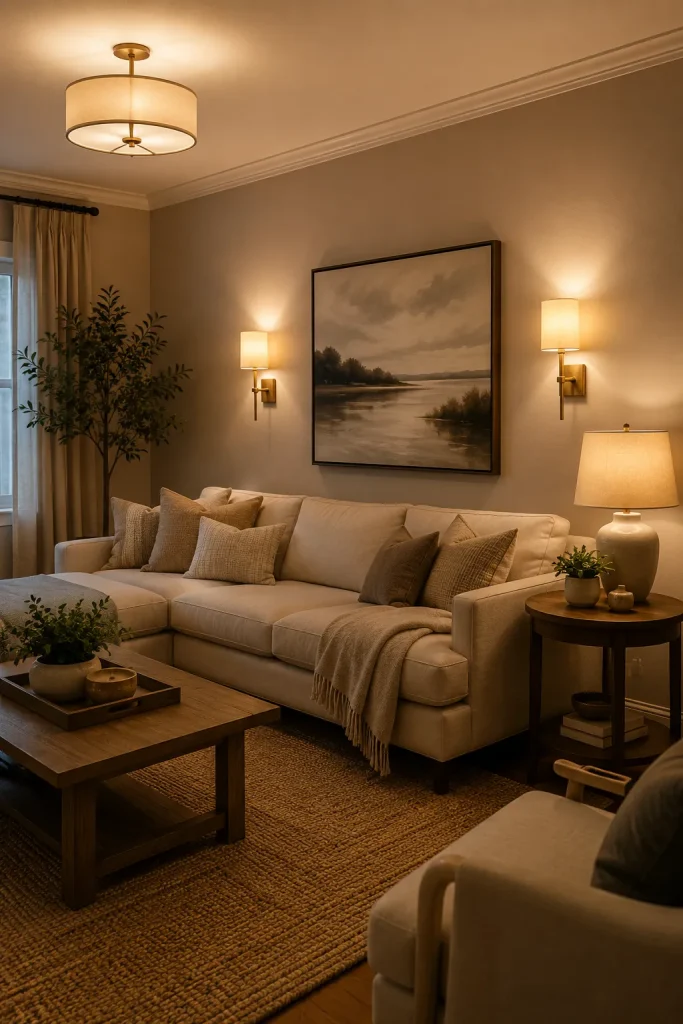
Wall mounted light fixtures work best when they are part of the whole room plan, not added as an afterthought. Before choosing a fixture, think about what the room already has. Is there enough ceiling light? Are the corners dark? Does the room need task lighting, accent lighting, or a softer evening glow?
A wall mount light fixture can serve different purposes. It can replace a table lamp, highlight artwork, frame a mirror, brighten a walkway, or create a cozy mood. The same fixture will not work everywhere, so placement matters as much as style.
For balanced room design, use wall lighting fixtures to support the main light source. Ceiling lights usually give general brightness, while wall lights add warmth, depth, and direction. This layered approach makes the room feel more finished.
Avoid placing wall lights randomly just because there is empty wall space. A good wall mounted light fixture should have a reason: lighting a seat, marking a path, framing a feature, or improving the room’s mood.
2. Living Room Wall Lights Behind the Sofa
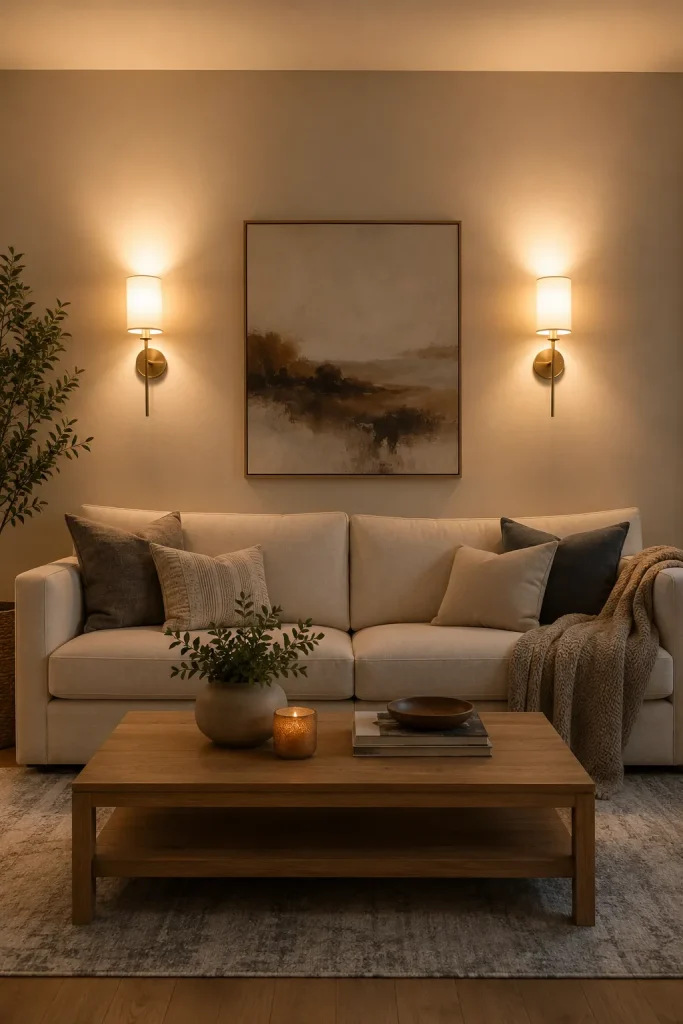
Living room wall lights behind the sofa can make the seating area feel warmer and more intentional. This idea works especially well when the sofa sits against a large blank wall.
Place wall lights above or beside the sofa to create a soft glow for reading, relaxing, or evening conversation. A pair of matching wall sconces can create symmetry, while one adjustable wall light can work well in a smaller living room.
Choose a fixture that matches the room’s style. A slim black wall light feels modern. A brass sconce feels warm and elegant. A fabric-shade wall light feels softer and more traditional. If the living room already has bold decor, keep the wall light simple.
The main mistake is installing the lights too low or too bright. Living room wall lights should not shine directly into people’s eyes. Use warm bulbs and soft shades if the room is meant for relaxing.
3. Bedroom Wall Lights Beside the Bed
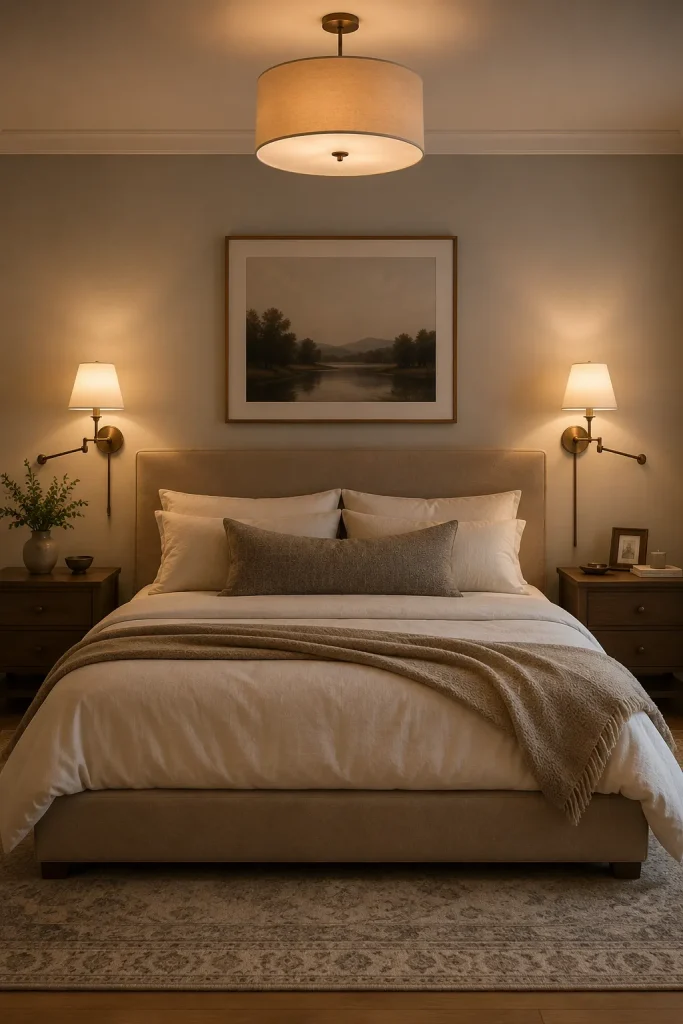
Bedroom wall lights beside the bed are both practical and stylish. They free up nightstand space, make the bed area feel finished, and provide useful light for reading.
A wall light fixture for bedroom use should feel softer than a harsh task light. Choose warm light, adjustable arms, fabric shades, frosted glass, or dimmable fixtures. If two people share the bed, install one light on each side so both sides feel balanced.
Bedroom wall lights work best when they are placed at a comfortable height from the bed. The light should be easy to switch on and off without getting up. Adjustable wall lights are helpful if one person reads while the other sleeps.
Avoid oversized fixtures in a small bedroom. A large wall mounted light fixture can overwhelm a narrow wall or small nightstand. Slim sconces, plug-in wall lights, or simple shaded fixtures often work better.
4. Bathroom Wall Light Fixtures Around the Mirror
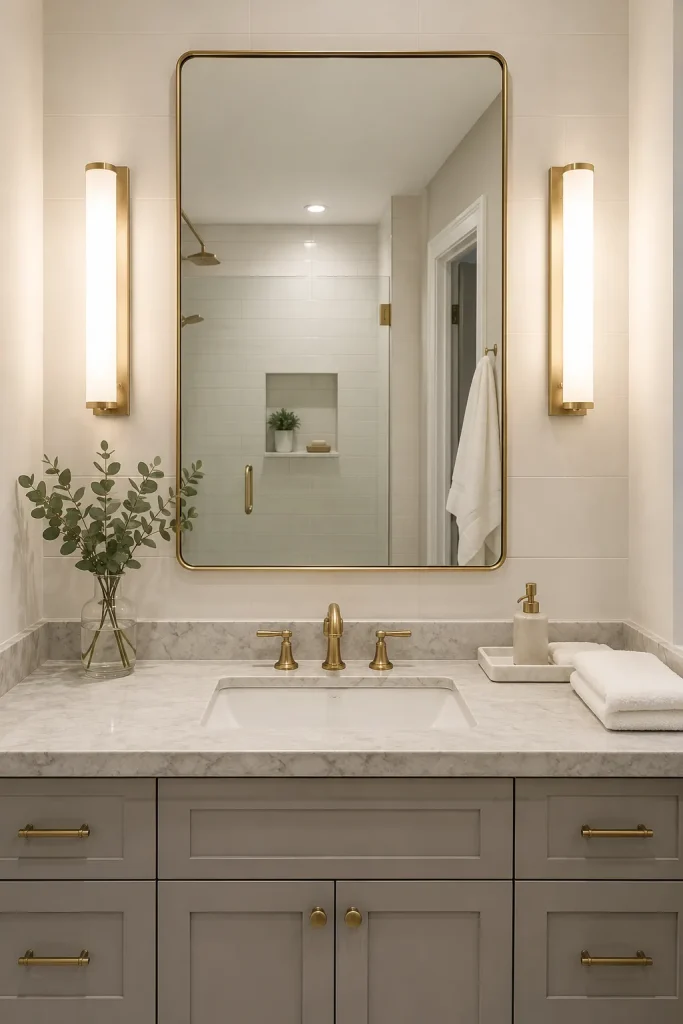
Bathroom wall light fixtures around the mirror need to be practical before they are decorative. This is one room where lighting affects daily routines like shaving, skincare, makeup, and getting ready.
The best bathroom wall light fixtures usually sit beside the mirror rather than only above it. Side lighting helps reduce harsh shadows on the face. If there is no room for side sconces, a clean fixture above the mirror can still work.
Choose fixtures that suit the bathroom finish. Chrome feels clean, matte black feels modern, brass adds warmth, and frosted glass softens the light. In a small bathroom, simple wall mounted bathroom light fixtures usually look better than bulky designs.
Use bathroom-rated fixtures where needed, especially near moisture. A beautiful fixture is not enough if it is not suitable for the room.
Avoid choosing bulbs that are too yellow or too blue. Bathroom lighting should feel clear but not harsh.
5. Hallway Wall Lights for a Warm Pathway
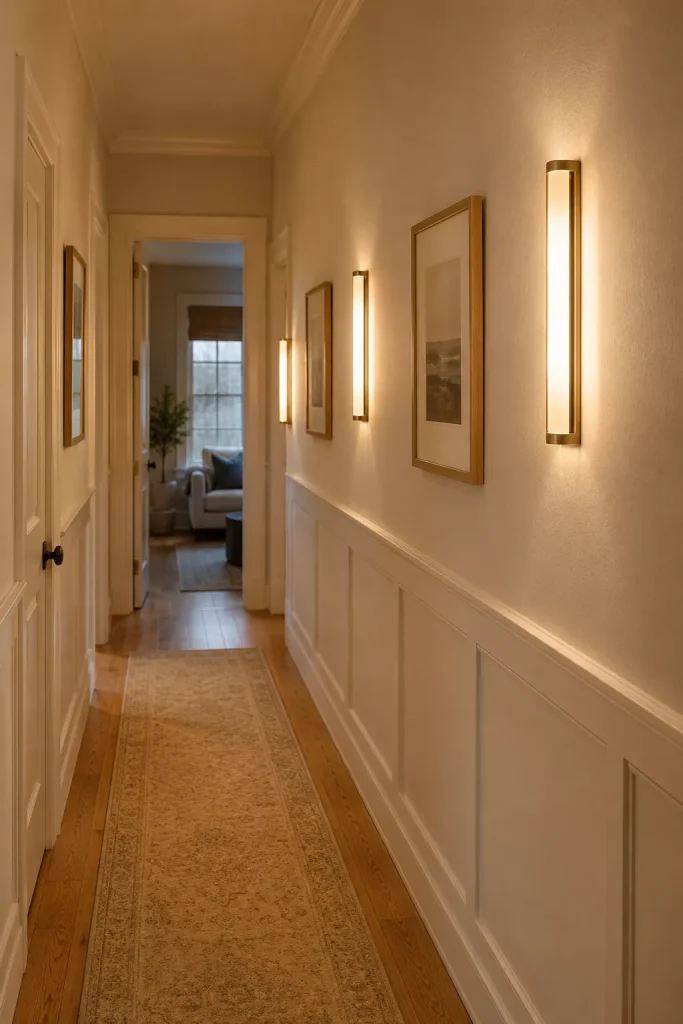
Hallway wall lights can turn a plain passage into a warmer part of the home. Hallways often feel narrow or dark because they do not always have windows. Wall lighting can make them feel safer and more welcoming.
Use hallway wall lights at regular intervals if the hallway is long. In a shorter hallway, one or two fixtures may be enough. The goal is to guide movement without making the space feel like a hotel corridor.
Wall light fixtures with soft diffused shades work well in hallways because they spread light gently. Slim fixtures are best for narrow spaces because they do not stick out too far.
Avoid placing fixtures where people may bump into them. In a tight hallway, choose low-profile wall mounted light fixtures that stay close to the wall.
6. Staircase Wall Lights for Safety and Style
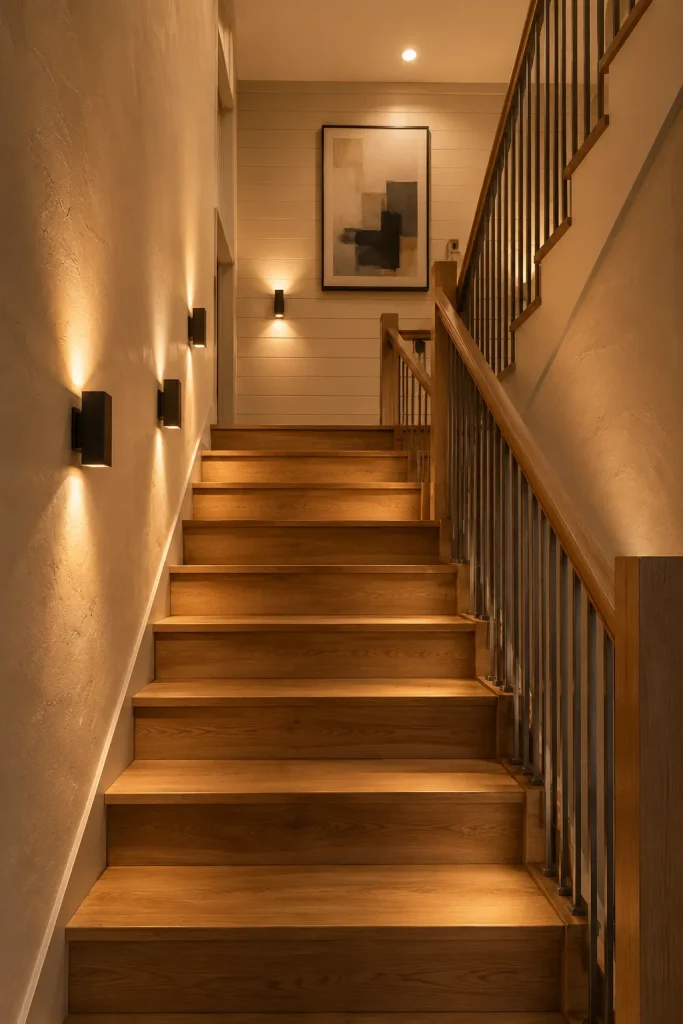
Staircase wall lights are useful because they improve both safety and style. Stairs need clear visibility, especially at night, but the lighting should not feel glaring.
Wall lights can be placed along the staircase wall, at the landing, or near the top and bottom of the stairs. For a clean look, use matching fixtures spaced evenly. For a softer look, choose warm light and simple shades.
Staircase wall lights can also highlight architectural details such as railings, textured walls, or artwork. In modern homes, slim sconces or recessed-style wall lights can make the staircase feel polished without adding clutter.
The biggest mistake is creating shadows on the steps. Make sure the lights brighten the walking path clearly. Safety should come before decoration in this area.
7. Kitchen Wall Lights Above Shelves or Sink
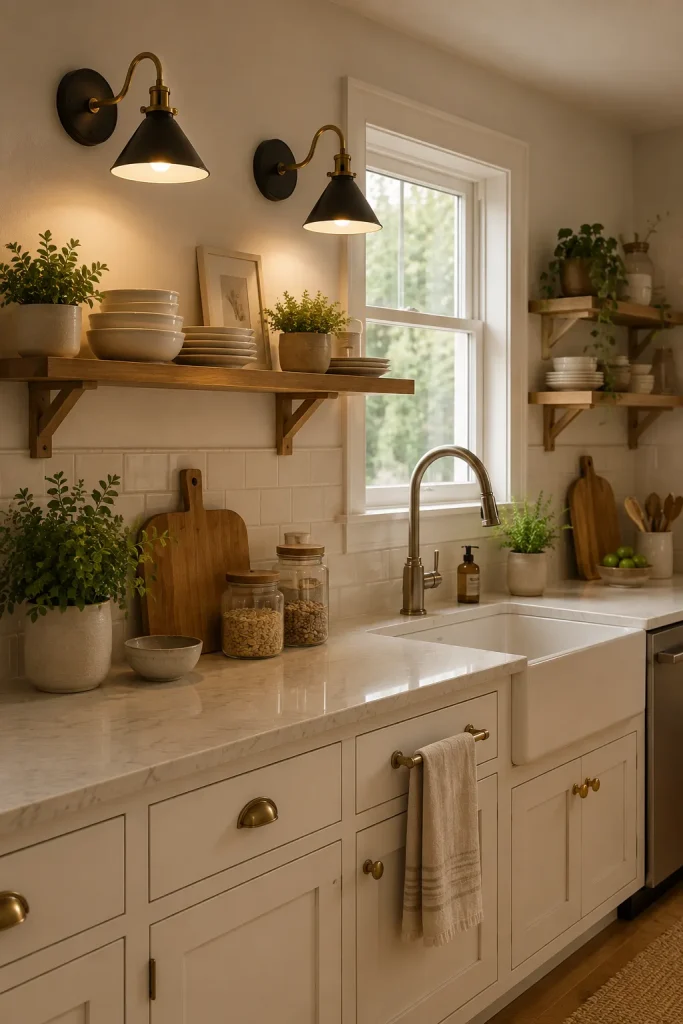
Kitchen wall lights work well when you need extra light above shelves, a sink, or a small prep area. They can also make a kitchen feel more styled than ceiling lights alone.
A wall mounted light fixture above open shelves can highlight dishes, jars, plants, or decorative kitchen pieces. A wall light above the sink can make washing dishes easier, especially if the ceiling light is behind you.
Choose kitchen wall lights that are easy to clean. Kitchens collect steam, grease, and dust, so overly detailed fixtures may become harder to maintain. Metal shades, glass shades, and simple sconces are practical choices.
Avoid placing wall lights too close to open shelves if the shade blocks access. The fixture should brighten the area without making everyday storage harder to use.
8. Dining Room Wall Lights for Soft Evening Glow
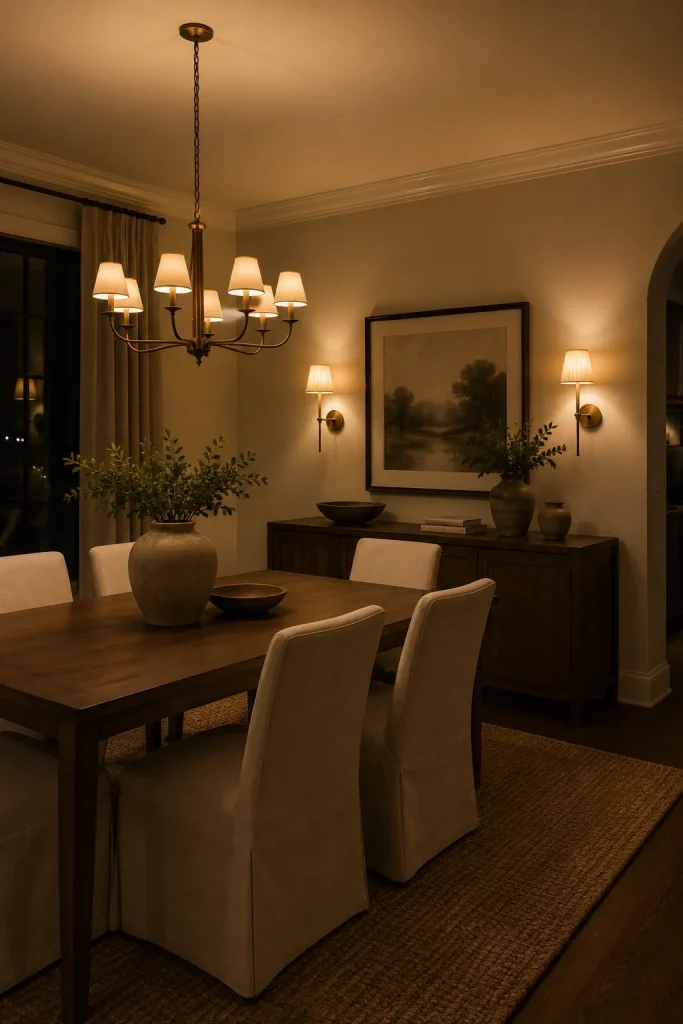
Dining room wall lights help create atmosphere. A dining room does not always need bright task lighting. It often needs a softer glow that makes meals feel relaxed.
Use dining room wall lights on either side of artwork, a mirror, a cabinet, or a sideboard. They can also balance a chandelier or pendant light above the table. When wall lights and overhead lights work together, the dining room feels more layered.
Warm bulbs are important here. Cool, sharp lighting can make dinner feel uncomfortable. A dimmer is also helpful because dining rooms are used differently throughout the day.
The mistake to avoid is choosing fixtures that compete with the main dining light. If the chandelier is bold, keep the wall lighting fixtures simple. If the room has no statement ceiling light, the wall sconces can be more decorative.
9. Entryway Wall Lights for a Welcoming First Impression
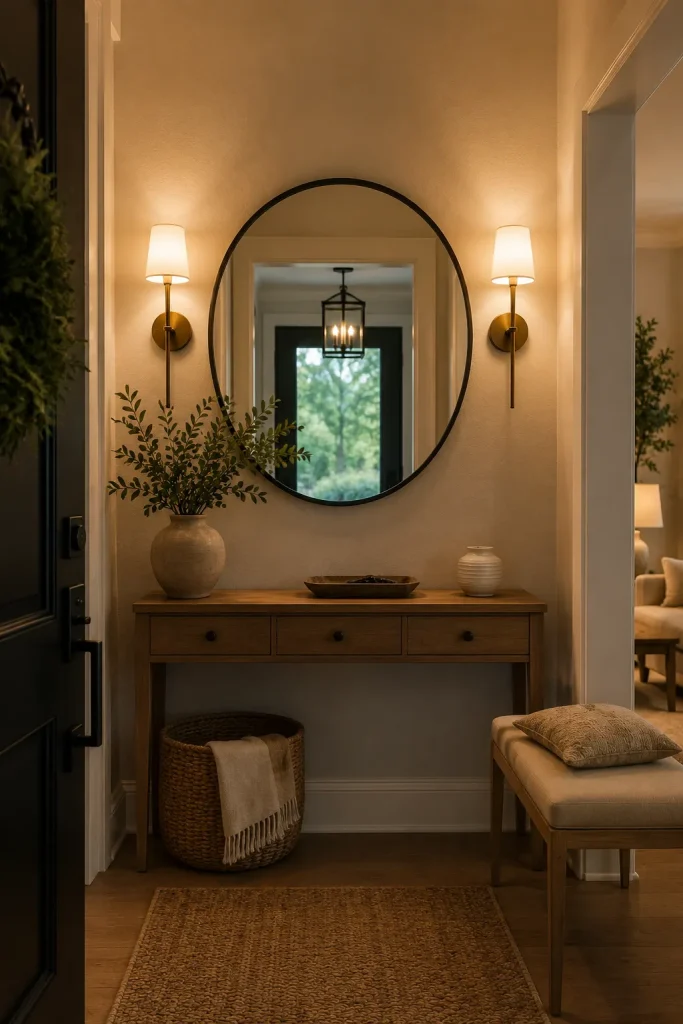
Entryway wall lights set the mood as soon as someone enters the home. They can make a small entry feel warmer, help guests see where they are going, and highlight a mirror, artwork, or console table.
A pair of entryway wall lights can frame a mirror beautifully. One wall light can work above a small bench or beside a doorway. If the entryway is narrow, choose a slim fixture that does not block movement.
If you style your entry with a console table, mirror, tray, or vase, these entryway console table ideas can help you build a more complete first-impression area around your wall lighting.
Entryway wall lights should feel warm but clear. You want enough brightness for keys, shoes, bags, and guests, but not so much brightness that the space feels harsh.
10. Wall Sconce Light Fixtures for Small Spaces
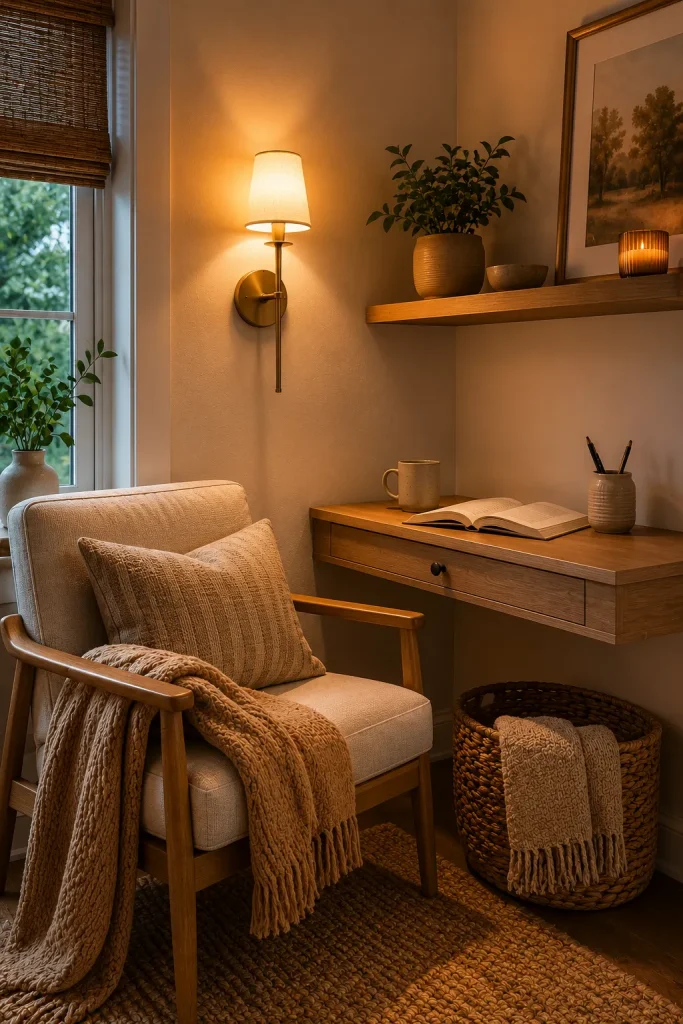
Wall sconce light fixtures are especially useful in small spaces because they do not need floor room or table space. They can replace lamps in bedrooms, reading corners, hallways, bathrooms, and compact living rooms.
In a small room, choose sconces with a slim profile. Plug-in wall sconces can be useful for renters or rooms without hardwiring. Swing-arm sconces work well beside beds, desks, or reading chairs because they can be adjusted.
Small spaces benefit from warm, focused light. A wall sconce can create a cozy area without flooding the whole room with brightness.
The main mistake is choosing a fixture that sticks out too far. In a tight space, even a beautiful sconce can become annoying if people walk into it.
11. Indoor Wall Light Fixtures for Cozy Corners
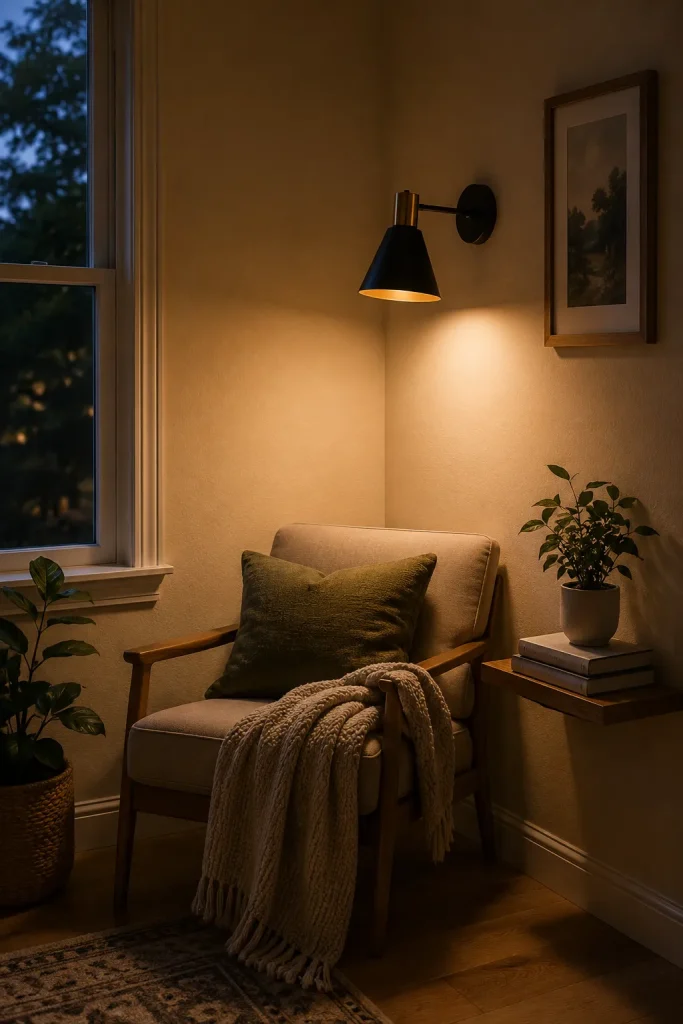
Indoor wall light fixtures can turn unused corners into cozy places to sit, read, or relax. A dark corner often feels unfinished, but one wall light can make it feel intentional.
Use a wall mounted light fixture near an accent chair, small shelf, built-in bench, or reading nook. If there is no room for a floor lamp, a wall light is a smart alternative.
This idea works well in bedrooms, living rooms, home offices, and hallway corners. Choose a fixture that gives enough light for the activity. A reading corner needs more focused light than a decorative corner.
Avoid adding too many small lights in one room without a plan. Wall lights should create zones, not visual clutter.
12. Modern Wall Mounted Light Fixtures for a Clean Look
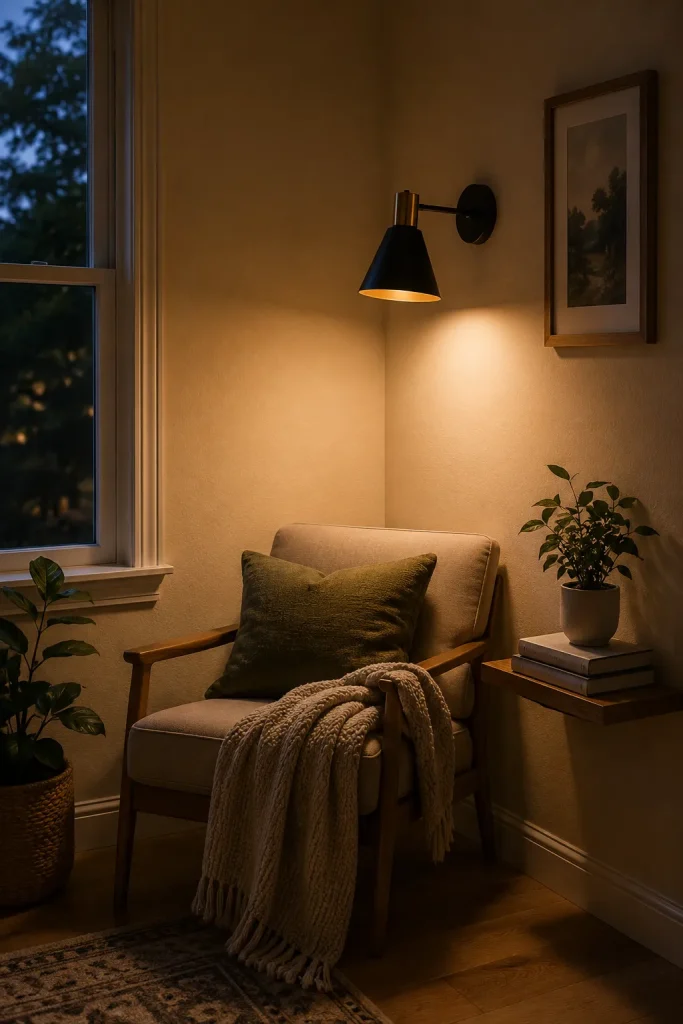
Modern wall mounted light fixtures are ideal for rooms that need a clean, uncluttered style. They usually have simple shapes, slim profiles, and finishes like matte black, brass, white, chrome, or brushed metal.
Modern wall light fixtures work well in contemporary living rooms, bedrooms, bathrooms, hallways, and kitchens. They can make a room feel updated without replacing major furniture.
For a clean look, match the fixture finish with other details in the room. Black sconces can connect with black curtain rods or cabinet pulls. Brass wall lights can repeat warm hardware. White fixtures can blend into a light wall for a minimal look.
Avoid choosing a fixture only because it is trendy. A modern wall mounted light fixture should still give the right amount of light and fit the room’s function.
Common Wall Mounted Light Fixture Mistakes to Avoid
One common mistake is choosing the wrong brightness. A bedroom needs softer lighting than a staircase. A bathroom mirror needs clearer light than a dining room wall.
Another mistake is ignoring height. If wall lights are too high, they may feel disconnected from the furniture. If they are too low, they can shine in the eyes or get bumped.
Scale also matters. A tiny fixture on a large wall can look weak, while an oversized fixture in a narrow hallway can feel uncomfortable.
Finally, avoid mixing too many fixture styles in one open area. A home can have variety, but the finishes, shapes, or colors should still feel connected.
Final Thoughts
The best wall mounted light fixture ideas combine style with purpose. A wall light should make the room easier to use and more pleasant to be in. It should brighten a pathway, soften a seating area, support a task, frame a mirror, or create a welcoming mood.
Start with the room’s need. A bedroom may need reading lights. A bathroom may need mirror lighting. A hallway may need safe movement. A kitchen may need extra task light. A dining room may need atmosphere. When the purpose is clear, choosing the right wall mounted light fixtures becomes much easier.
Wall lights are small details, but they can change how a room feels every day.
FAQs About Wall Mounted Light Fixture Ideas
Where should wall mounted light fixtures be placed?
Wall mounted light fixtures should be placed where they support a real purpose, such as beside a bed, around a bathroom mirror, along a hallway, near a staircase, above kitchen shelves, or beside an entryway mirror.
Are wall mounted light fixtures good for small rooms?
Yes, wall mounted light fixtures are useful in small rooms because they save floor and table space. Slim sconces, plug-in wall lights, and adjustable fixtures work especially well in compact spaces.
What rooms are best for wall light fixtures?
Wall light fixtures work well in bedrooms, bathrooms, hallways, living rooms, staircases, kitchens, dining rooms, entryways, and cozy corners.
Should bathroom wall light fixtures go above or beside the mirror?
Side lighting is usually better for reducing facial shadows, but an above-mirror fixture can still work when side sconces are not possible. Always choose fixtures suitable for bathroom use.
How do I make wall lights look modern?
Choose simple shapes, clean finishes, warm bulbs, and fixtures that match the room’s hardware or furniture style. Matte black, brass, white, chrome, and slim metal designs often feel modern.
Can I use plug-in wall lights instead of hardwired fixtures?
Yes, plug-in wall lights can be a good option for renters or rooms without existing wiring. They work well beside beds, reading chairs, desks, and small-space corners.