
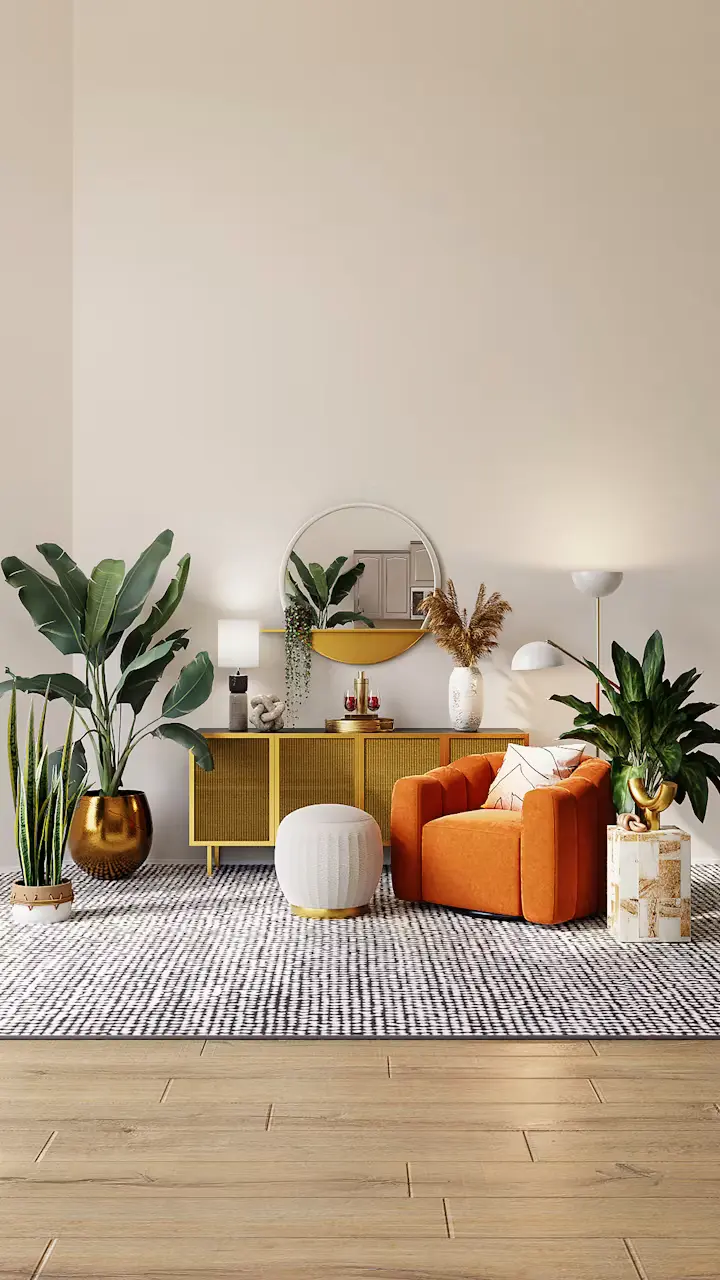
An accent wall with a window can become one of the strongest design features in a room when the wall treatment works with the window instead of competing with it. The best ideas consider the window position, natural light, furniture placement, colors, and materials to create a balanced focal point.
Many accent wall guides assume you have a completely empty wall, but real homes are not designed like blank inspiration boards. Windows create challenges: they interrupt patterns, affect symmetry, change how colors appear, and influence where furniture can go.
The solution is not to hide the window. A well-designed accent wall can frame it, highlight it, or blend it into the overall room design.
In this guide, you will find 18 accent wall ideas for rooms with windows, along with practical advice about materials, placement, styling, and mistakes to avoid.
Before Choosing an Accent Wall With a Window, Understand Your Window Type
Before choosing paint, wallpaper, or paneling, look at the relationship between the window and the wall.
The same accent wall treatment can look completely different depending on the window position.
Centered Window: Make It the Main Feature
A centered window naturally creates balance.
Instead of treating it as a problem, use it as the anchor of the accent wall.
Best Approaches:
- symmetrical furniture placement
- matching curtains
- balanced artwork
- paneling that frames the window
A centered window works especially well with:
- board and batten walls
- painted feature walls
- wood panel designs
The goal is to make the window feel intentionally placed rather than interrupted by the design.
Off-Center Window: Create Visual Balance
An off-center window can actually create a more interesting room because it allows for asymmetrical design.
The mistake is trying to force perfect symmetry.
Instead, balance the visual weight using:
- artwork
- plants
- shelves
- furniture placement
- lighting
For example, a window on one side of the wall can be balanced with a tall plant or artwork on the opposite side.
The design should feel intentional, not corrected.
Large Window: Let Natural Light Lead
Large windows already create a strong focal point.
The accent wall should support the window rather than compete with it.
Better choices:
- subtle textures
- natural materials
- soft colors
- simple patterns
Avoid adding too many competing elements around a large window.
Small Window: Strengthen the Surrounding Wall
A small window can benefit from a stronger surrounding design.
Good options:
- darker accent colors
- decorative trim
- wallpaper
- textured finishes
The wall treatment can help the window feel more connected to the room.
1. Bold Painted Accent Wall Around a Window
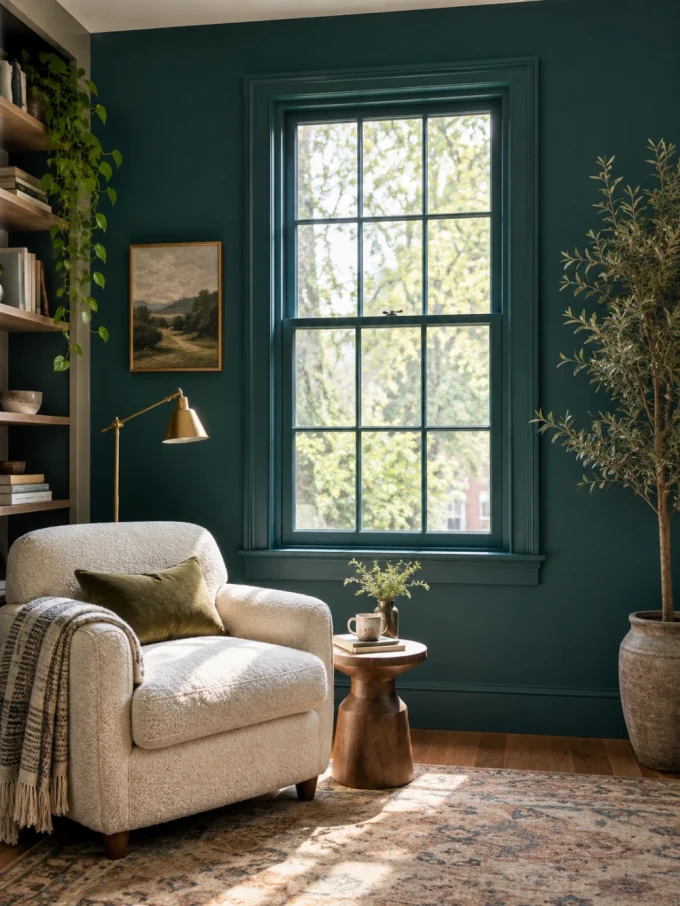
Paint is the simplest way to create an accent wall, but the success depends on choosing a color that works with the window.
Why This Idea Works
A painted accent wall can:
- define the window area
- create contrast
- change the room’s atmosphere
- highlight architectural details
It is also one of the easiest options to update later.
Design Considerations
Before choosing a color, consider:
- amount of natural light
- window direction
- room size
- furniture colors
Dark colors can create drama, while lighter tones can make the wall feel larger and brighter.
Best For
- bedrooms
- living rooms
- home offices
- budget-friendly updates
2. Dark Accent Wall With White Window Trim
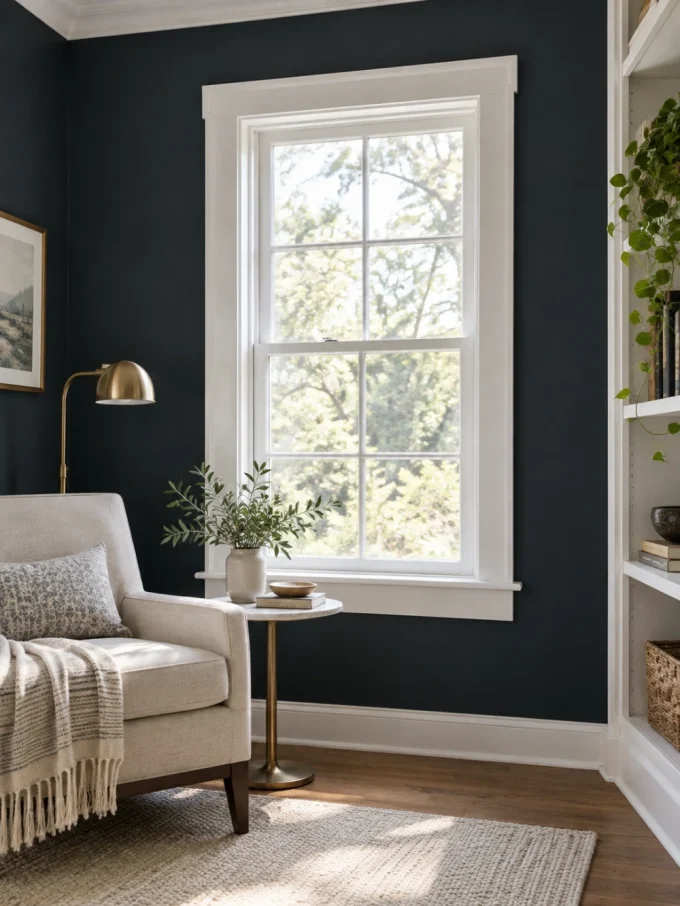
A dark accent wall paired with lighter window trim creates strong architectural contrast.
This approach makes the window stand out as part of the design.
Why This Idea Works
The contrast between:
- dark wall color
- bright trim
- natural light
creates a dramatic focal point.
It works especially well in modern and transitional interiors.
Design Considerations
Dark walls require balance.
They work best when combined with:
- lighter furniture
- reflective surfaces
- warm lighting
In rooms with limited natural light, too much darkness can make the space feel heavier.
Best For
- modern bedrooms
- living rooms
- dramatic interiors
3. Tone-on-Tone Accent Wall With Matching Window Trim
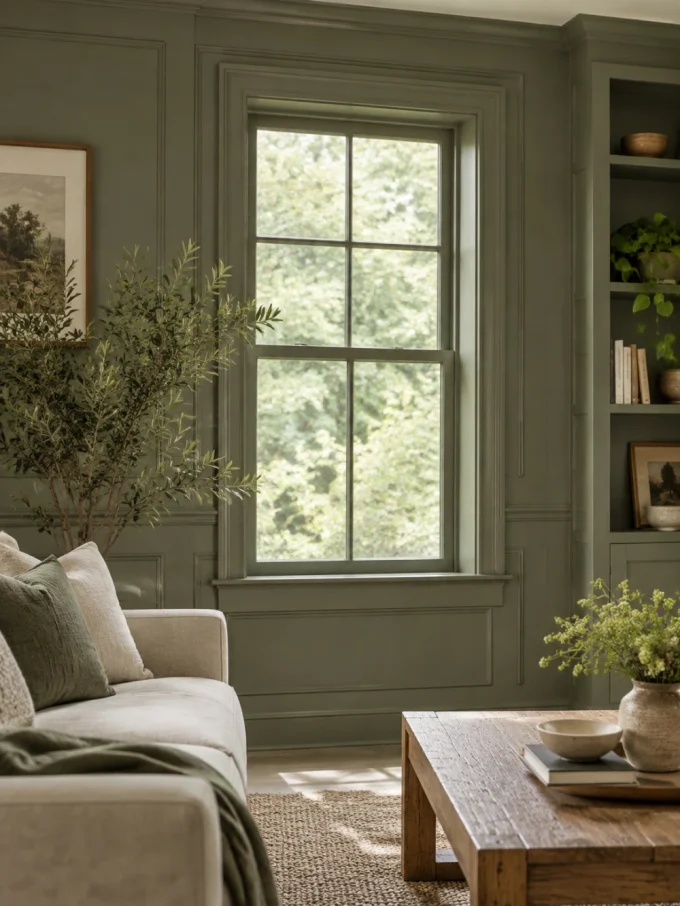
A tone-on-tone accent wall uses similar shades for the wall, trim, and surrounding elements to create a calm, sophisticated appearance.
Instead of making the window stand out through strong contrast, this approach allows the entire wall to feel like one intentional design feature.
Why This Idea Works
Tone-on-tone designs create:
- a seamless appearance
- visual calm
- a more spacious feeling
- a modern architectural look
This style works especially well when you want the window to feel integrated rather than separated.
Design Considerations
The key is using variation in:
- shade
- texture
- finish
For example:
- warm beige wall + slightly lighter trim
- soft gray wall + matching painted window frame
- muted green wall + natural wood details
Using exactly the same color everywhere can sometimes flatten the design, so subtle differences create more depth.
Best For
- minimalist homes
- modern bedrooms
- Japandi-inspired interiors
- calm living spaces
Related guide:
Cozy Japandi Bedroom Ideas
4. Wood Slat Accent Wall With a Window
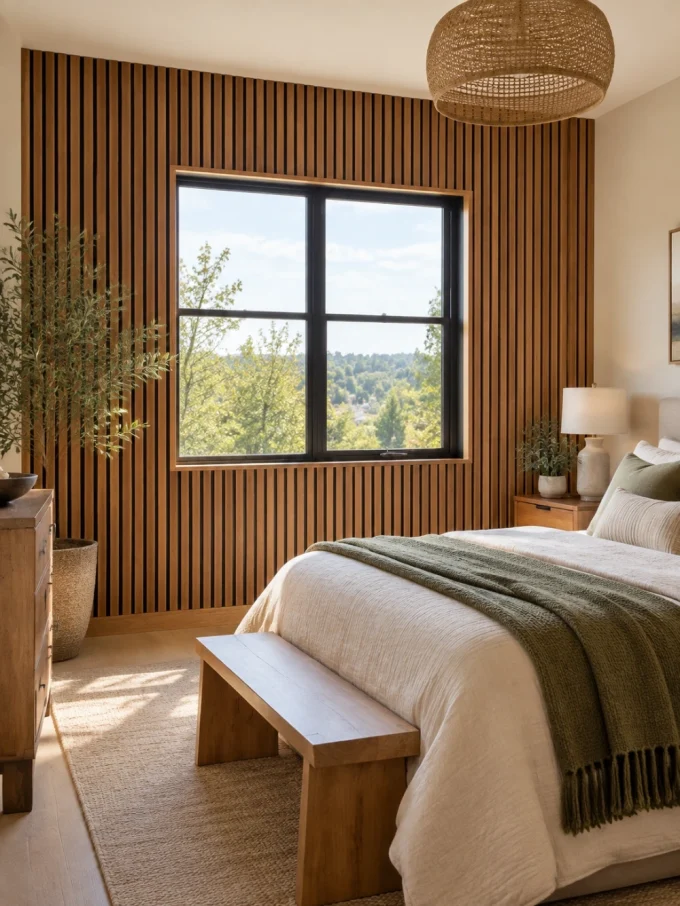
Wood slat walls add warmth, texture, and architectural interest while allowing the window to remain part of the overall composition.
This idea is especially effective when a room feels plain or lacks natural texture.
Why This Idea Works
Wood slats create:
- vertical movement
- natural warmth
- depth
- a custom architectural feeling
The vertical lines can also visually emphasize ceiling height.
Design Considerations
The placement around the window matters.
Good approaches:
- continue the slats around the window
- use the window as a break in the pattern
- frame the window with wood details
Avoid creating a pattern that looks interrupted without purpose.
Material Considerations
Think about:
- wood tone
- maintenance
- room humidity
- overall furniture style
Warm wood works well with:
- neutral fabrics
- earthy colors
- natural materials
Best For
- living rooms
- bedrooms
- media walls
- modern organic interiors
Related guide:
Wall Texture Design Ideas
5. Board and Batten Accent Wall Around a Window
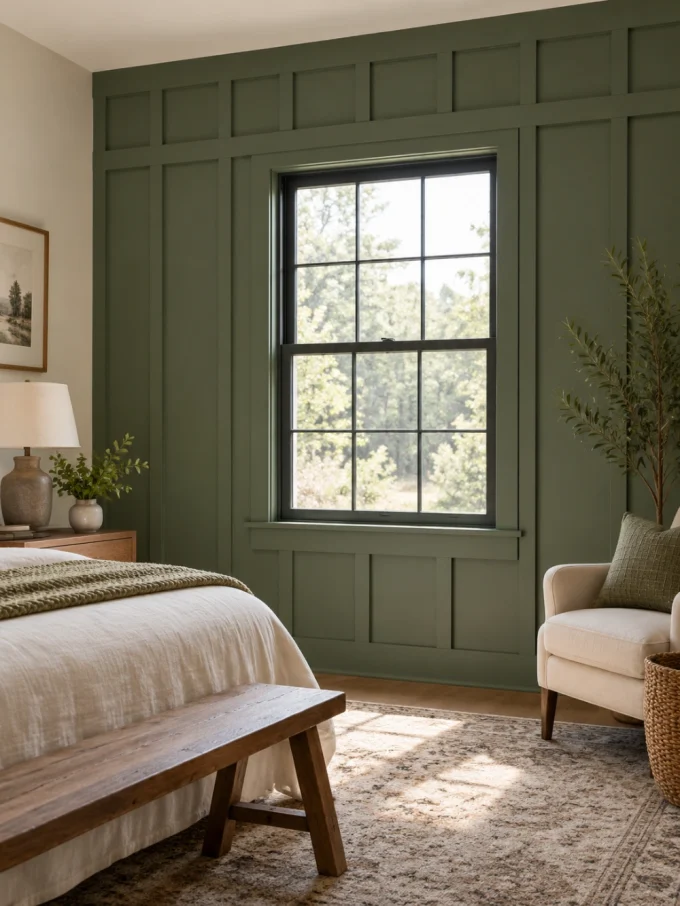
Board and batten is a classic way to add architectural detail to a wall with a window.
Instead of fighting the window placement, the trim design can create structure around it.
Why This Idea Works
Board and batten adds:
- depth
- character
- traditional architectural detail
- visual organization
It is particularly useful when a plain wall feels unfinished.
Design Considerations
The spacing of the panels matters.
A common mistake is creating uneven sections around the window.
Before installation, consider:
- window width
- wall dimensions
- furniture placement
- panel spacing
The window should feel like part of the pattern.
Styling Approach
Board and batten works well with:
- painted walls
- simple artwork
- classic furniture
- modern lighting
It can fit both traditional and contemporary homes depending on the color choice.
Best For
- bedrooms
- dining rooms
- entryways
- classic interiors
6. Wallpaper Accent Wall With a Window
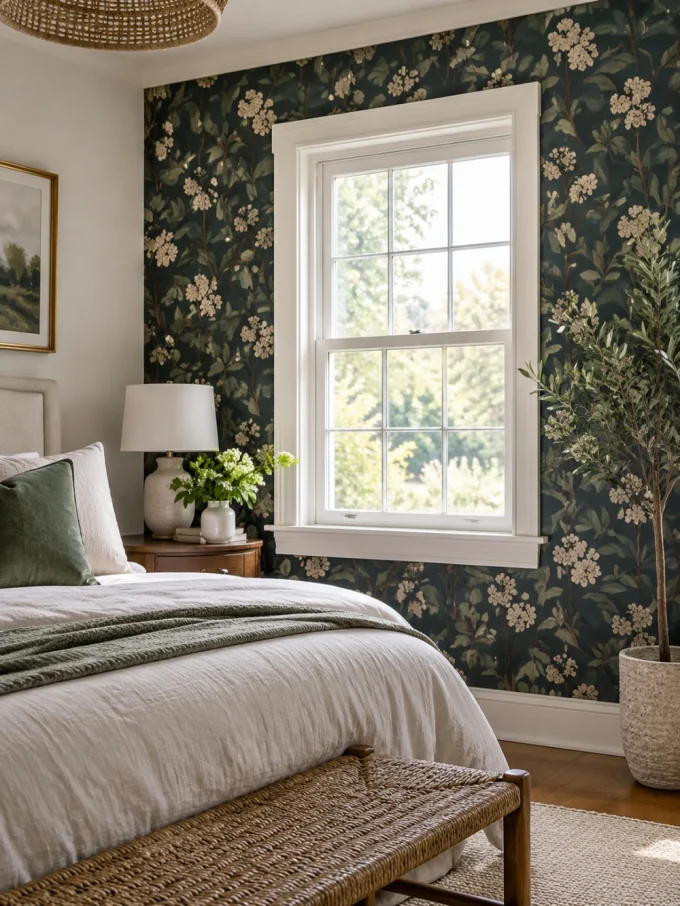
Wallpaper can transform a window wall into a strong design statement by adding pattern, color, and personality.
However, wallpaper around windows requires more planning than a simple painted wall.
Why This Idea Works
Wallpaper creates:
- visual interest
- texture
- pattern
- a customized feeling
It is especially useful when paint alone does not create enough impact.
Design Considerations
When using wallpaper around a window, think about:
Pattern Alignment
Large patterns need careful placement so the design does not look interrupted.
Window Trim
The trim color can either:
- blend with the wallpaper
- create contrast
Curtain Relationship
Curtains should support the wallpaper instead of competing with it.
Best Wallpaper Styles
Good options include:
- botanical patterns
- subtle textures
- geometric designs
- soft neutral prints
Avoid overly busy patterns in small rooms with already strong furniture or decoration.
Best For
- bedrooms
- reading corners
- living rooms
- statement walls
7. Bedroom Accent Wall With Window Behind the Bed
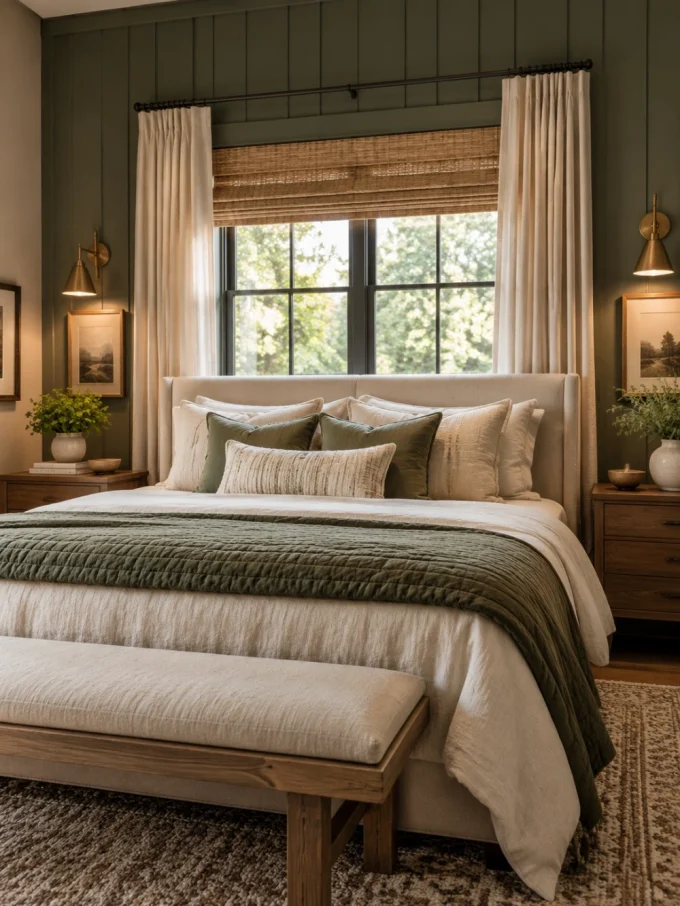
A bedroom window behind the bed can become a beautiful focal point when the accent wall, headboard, and window treatment work together.
Instead of seeing the window as an interruption, use it as part of the bedroom’s visual structure.
Why This Idea Works
A window behind the bed can create:
- natural symmetry
- architectural interest
- a strong focal point
- a connection with outdoor light
The wall behind the bed is already one of the most important areas in a bedroom, so adding an intentional accent treatment can make the entire room feel more designed.
Design Considerations
The relationship between the bed and window matters.
Consider:
Window Height
A low window may work well with:
- a lower headboard
- layered curtains
- simple wall treatments
A taller window can support:
- dramatic curtains
- vertical paneling
- stronger architectural details
Curtain Choice
Curtains should complement the accent wall.
Examples:
- neutral curtains with a bold wall
- textured curtains with a simple wall
- matching tones for a calm look
Best For
- primary bedrooms
- guest bedrooms
- modern bedrooms
- cozy interiors
Related guide:
Cozy Modern Living Room Ideas
8. Living Room Window Accent Wall
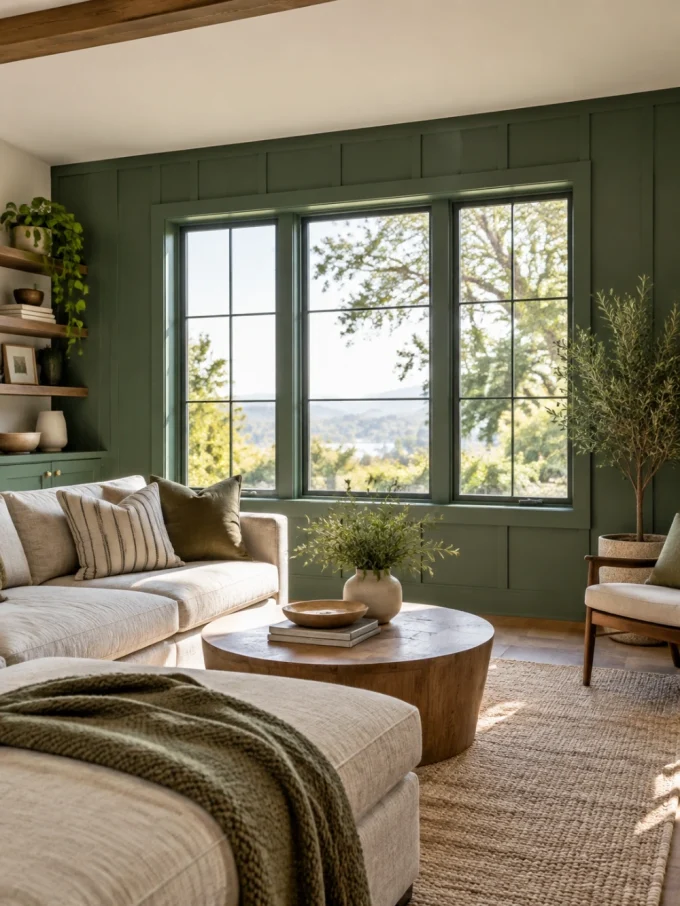
A living room window wall can become a natural feature because windows already attract attention through light, views, and architectural presence.
The goal is not to overpower the window but to make the surrounding wall feel intentional.
Why This Idea Works
A well-designed window accent wall can create:
- a natural gathering point
- better furniture balance
- stronger room identity
- improved visual flow
Design Considerations
Think about the relationship between:
- sofa placement
- window size
- wall treatment
- lighting
For example:
A large window behind a sofa may work well with a subtle textured wall, while a smaller window may benefit from stronger contrast.
Styling Options
Good additions include:
- floor-length curtains
- plants near the window
- artwork on surrounding walls
- accent lighting
Avoid placing too many competing decorations directly around the window.
Best For
- family rooms
- open living spaces
- apartments
- modern homes
Related guide:
Cozy Modern Living Room Ideas
9. Window Seat Accent Wall
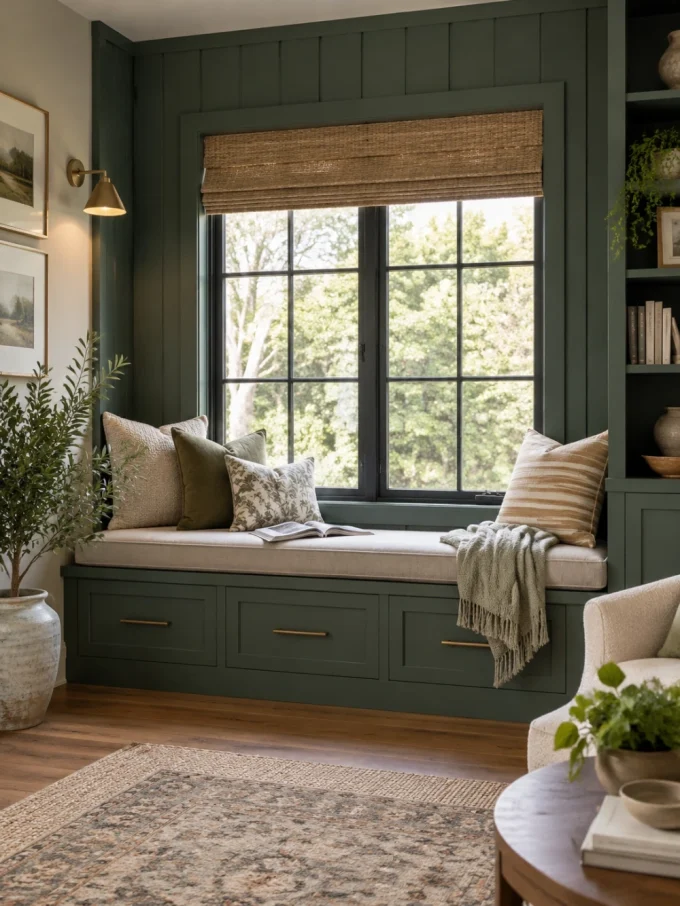
A window seat combined with an accent wall creates a space that is both decorative and functional.
Instead of only decorating around the window, this approach turns the window area into a destination.
Why This Idea Works
Window seats add:
- extra seating
- reading space
- architectural interest
- a cozy atmosphere
An accent wall helps define the area as a separate feature within the room.
Design Considerations
The design should support comfort.
Consider:
- cushion colors
- fabric textures
- storage underneath
- nearby lighting
The wall treatment should enhance the seating area without making it feel visually crowded.
Good Accent Wall Pairings
Works well with:
- wood paneling
- soft paint colors
- wallpaper
- built-in shelving
Best For
- reading corners
- bedrooms
- living rooms
- bay window areas
10. Built-In Shelves Around a Window Accent Wall
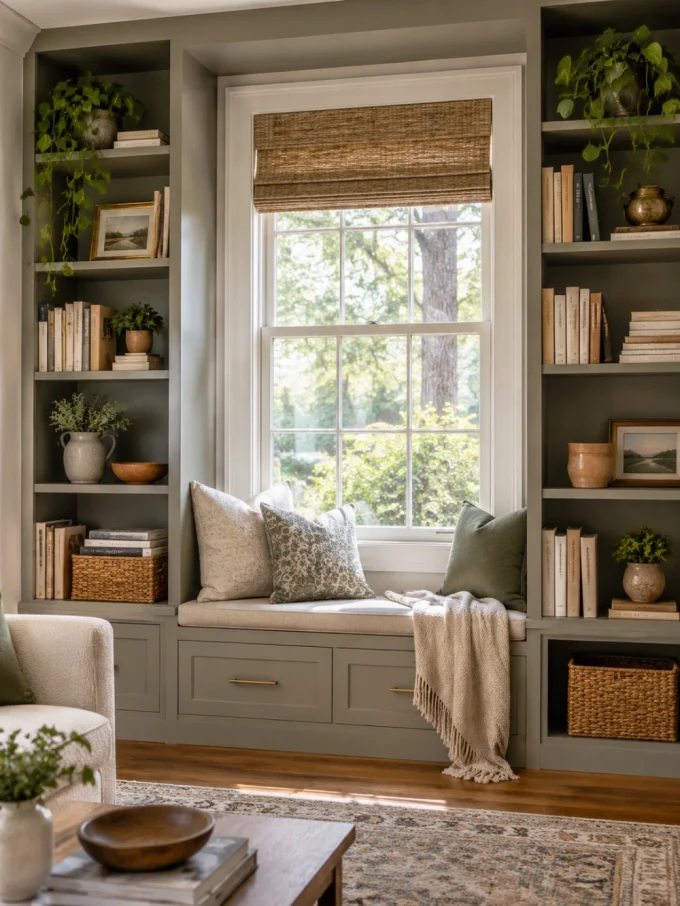
Adding built-in or floating shelves around a window creates a custom architectural feature while making use of surrounding wall space.
This idea works especially well when the window already has strong placement within the room.
Why This Idea Works
Shelves around windows provide:
- storage
- display opportunities
- architectural balance
- a custom built-in appearance
They can transform an empty wall into a functional design element.
Design Considerations
The biggest challenge is balance.
Shelves should not make the window feel trapped.
Consider:
- leaving enough visual space around the window
- matching shelf depth on both sides when possible
- keeping objects controlled
Styling Approach
Good shelf styling around a window includes:
- books
- plants
- ceramics
- artwork
- decorative objects
Keep the area around the actual window less crowded so natural light remains the focus.
Best For
- home offices
- living rooms
- reading areas
- libraries
Related guide:
DIY Floating Shelf Ideas
11. Gallery Wall Around a Window Accent Wall
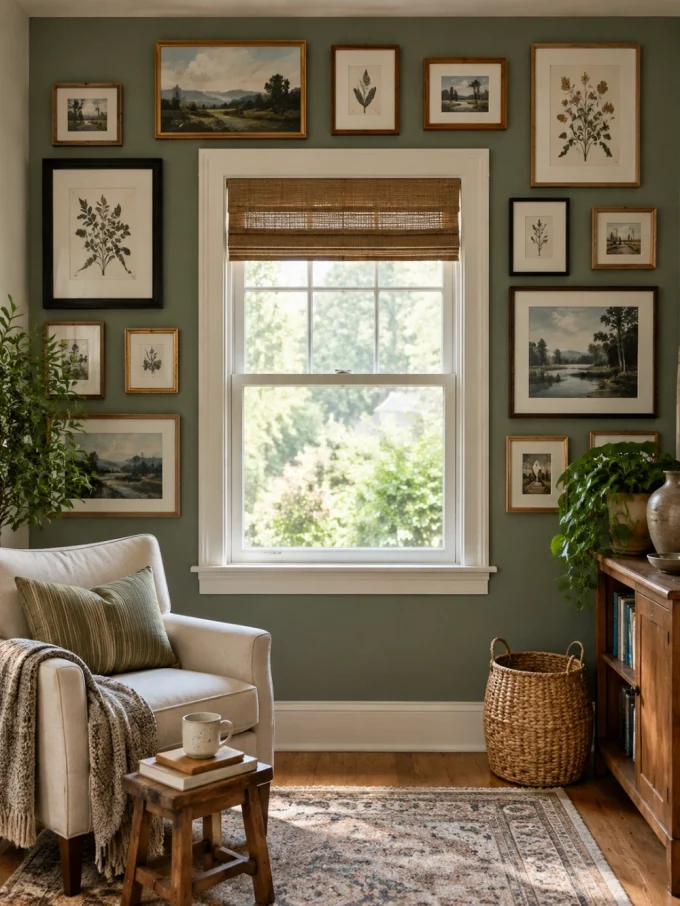
A window does not mean the surrounding wall has to remain empty. A carefully planned gallery wall can turn the area around a window into a personalized feature while keeping the window as part of the composition.
The key is creating balance instead of filling every available space.
Why This Idea Works
A gallery wall around a window adds:
- personality
- visual interest
- artwork opportunities
- a collected-home feeling
It works especially well when the window itself is simple and needs more surrounding character.
Design Considerations
The biggest challenge is avoiding competition between artwork and the window.
Consider:
- leaving breathing room around the window frame
- keeping artwork scale appropriate
- maintaining visual balance
A common mistake is placing too many small frames around the window, which can make the wall feel busy.
Styling Approaches
Good combinations include:
Symmetrical Gallery Layout
Works well with:
- centered windows
- traditional rooms
- formal interiors
Asymmetrical Gallery Layout
Works well with:
- off-center windows
- creative spaces
- modern interiors
Best For
- living rooms
- bedrooms
- hallways
- creative spaces
12. Accent Wall With Plants Around a Window
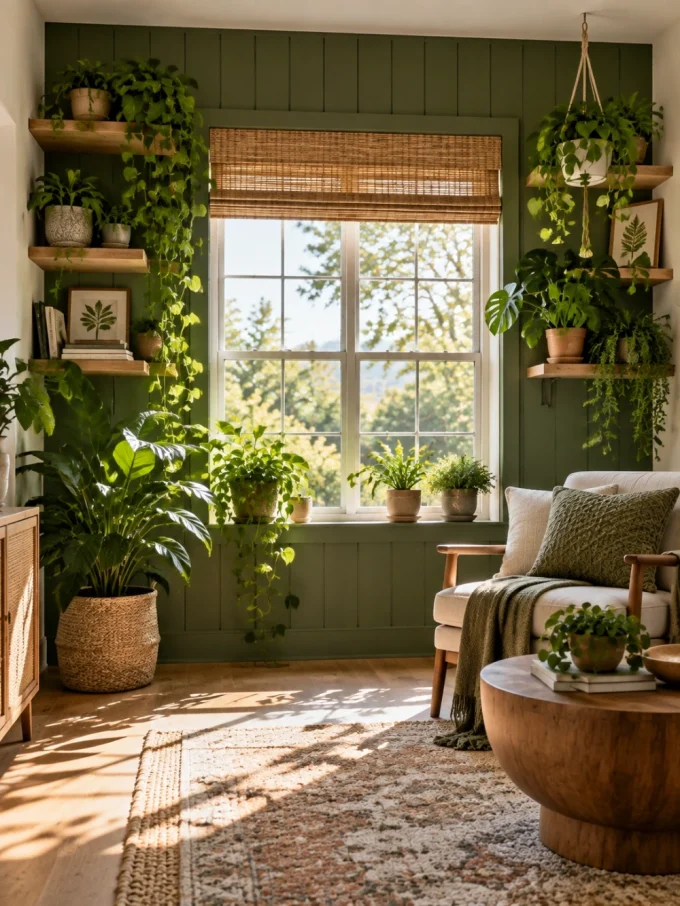
Using plants around a window accent wall creates a connection between indoor design and natural light.
Windows already provide an important relationship with the outdoors, and plants can strengthen that feeling.
Why This Idea Works
Plants add:
- natural texture
- softness
- color variation
- life to the room
A window accent wall with greenery can feel warmer and more organic than a purely decorative wall.
Design Considerations
Plant placement should support the window, not block it.
Think about:
- available sunlight
- plant size
- maintenance needs
- room circulation
Large plants near a window can create a dramatic look, while smaller plants work better on shelves or side tables.
Good Accent Wall Pairings
Plants work especially well with:
- earthy paint colors
- wood panels
- textured walls
- natural materials
Best For
- living rooms
- bedrooms
- sunrooms
- home offices
Related guide:
Flower Home Decor Ideas
13. Japandi Accent Wall With Window
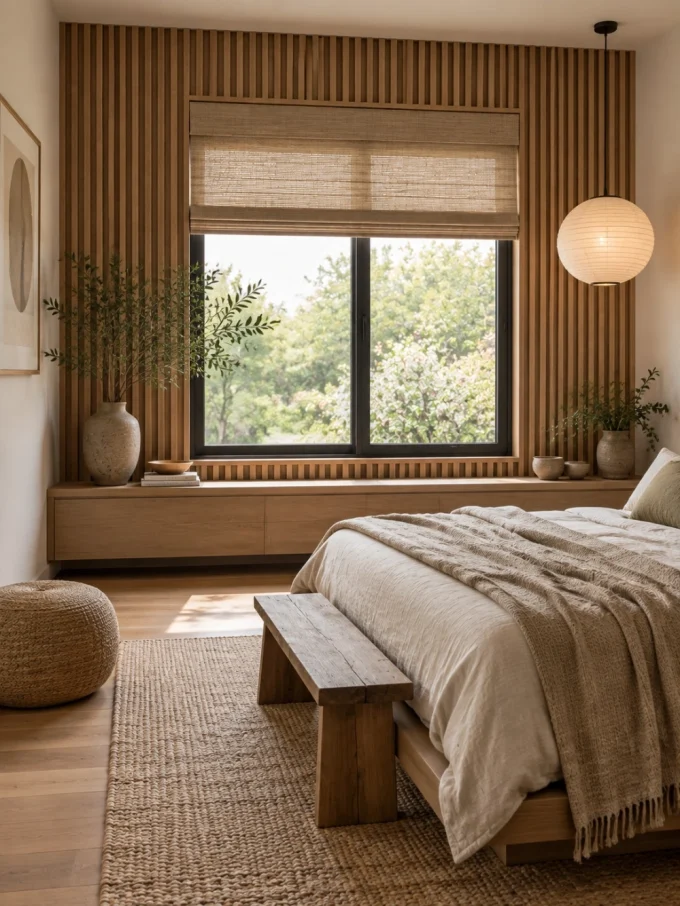
A Japandi accent wall combines Japanese simplicity with Scandinavian warmth, making it ideal for homeowners who want a calm and balanced window feature.
Instead of creating a dramatic focal point, this style focuses on harmony.
Why This Idea Works
Japandi design works well with windows because both emphasize:
- natural light
- simplicity
- connection with nature
- peaceful spaces
Design Considerations
Choose:
- natural wood
- soft neutral colors
- simple textures
- minimal decoration
Avoid:
- excessive patterns
- too many decorative objects
- strong visual competition around the window
The window should remain part of the calm atmosphere.
Styling Approach
A Japandi window accent wall may include:
- light wood panels
- linen curtains
- ceramic objects
- natural plants
- minimal artwork
Best For
- bedrooms
- meditation spaces
- minimalist living rooms
- calm home offices
Related guide:
Serene Japandi Bathroom Ideas
14. Rustic Accent Wall With Window
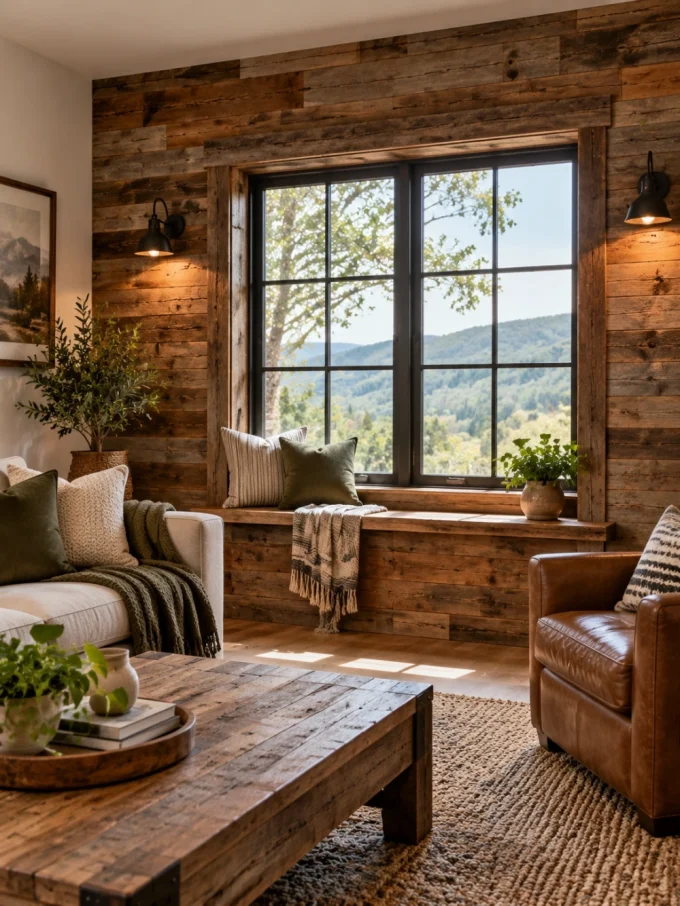
A rustic accent wall can make a room feel warmer by adding texture, character, and natural materials around the window area.
This approach works especially well in homes that already use wood, stone, or earthy finishes.
Why This Idea Works
Rustic treatments add:
- warmth
- handcrafted character
- visual depth
- a comfortable atmosphere
The window helps balance rustic materials by introducing natural light.
Design Considerations
Rustic does not mean adding every farmhouse element at once.
A balanced rustic accent wall may use:
- reclaimed wood
- textured paint
- natural stone
- warm lighting
Avoid combining too many heavy rustic features because the room can start feeling themed instead of timeless.
Styling Approach
Pair rustic walls with:
- neutral fabrics
- simple furniture
- natural textures
- soft window treatments
The goal is warmth with control.
Best For
- farmhouse homes
- cabins
- rustic modern interiors
- cozy living rooms
Related guide:
Gorgeous Upcycled Furniture Ideas
15. Small Room Accent Wall With Window
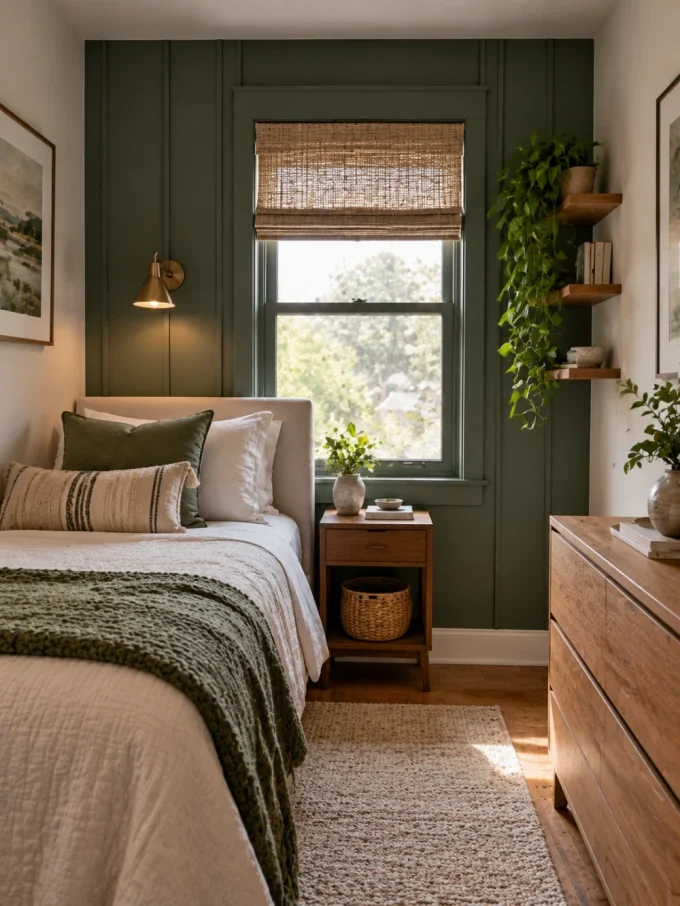
Small rooms can benefit greatly from an accent wall with a window, but the design needs to create focus without making the space feel smaller.
The goal is not to add more visual elements. It is to make the existing window and wall work together.
Why This Idea Works
A well-planned accent wall can make a small room feel:
- more intentional
- more finished
- visually interesting
- better organized
The window already provides openness, so the accent wall should enhance that feeling.
Design Considerations
For small rooms:
Choose the right contrast
Very dark colors can create drama, but they may feel heavier in rooms with limited natural light.
Consider:
- muted tones
- warm neutrals
- soft textures
- lighter wood finishes
Avoid overwhelming patterns
Large wallpaper patterns or very busy textures may compete with the window.
A smaller room often benefits from:
- simple patterns
- subtle textures
- controlled decoration
Styling Approach
Use the window as part of the design:
- keep curtains simple
- avoid oversized furniture
- use vertical elements to create height
Best For
- apartments
- small bedrooms
- compact living rooms
- home offices
16. Minimal Modern Accent Wall With Window
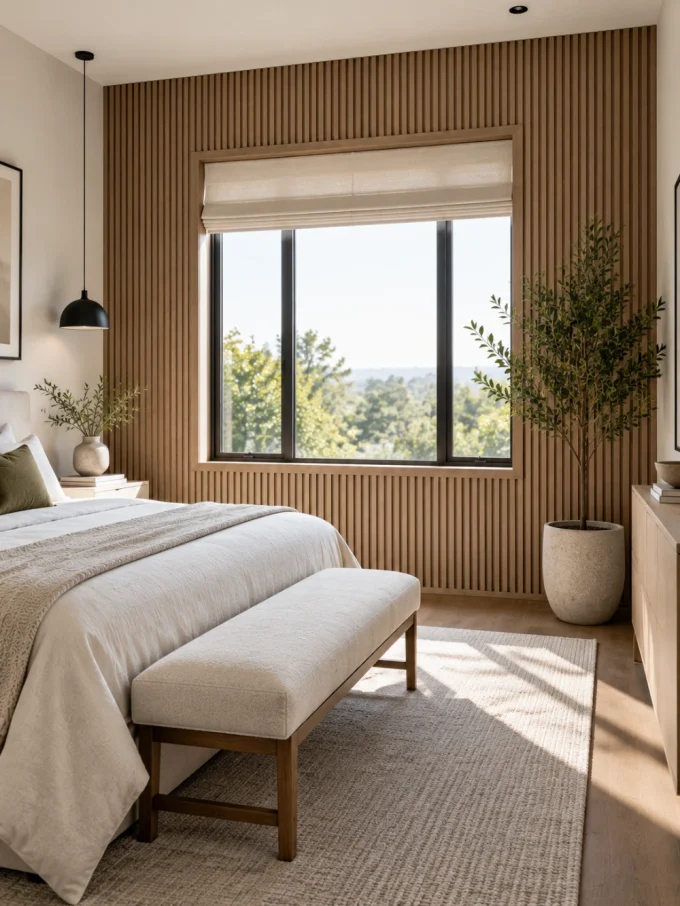
A minimal modern accent wall focuses on clean lines, simple materials, and intentional details.
Instead of creating a dramatic wall, the goal is to create a refined background that supports the room.
Why This Idea Works
Modern minimal accent walls create:
- visual calm
- architectural interest
- timeless style
- a cleaner appearance
They are ideal for homeowners who want a feature wall without excessive decoration.
Design Considerations
Good choices include:
- smooth painted finishes
- subtle paneling
- simple geometric details
- neutral color palettes
The window becomes part of the architecture rather than a separate decorative element.
Styling Approach
A minimal window accent wall works well with:
- simple curtains
- modern furniture
- fewer decorative objects
- hidden lighting
The power of this style comes from restraint.
Best For
- contemporary homes
- modern bedrooms
- minimalist living rooms
- workspaces
17. Textured Accent Wall With Window
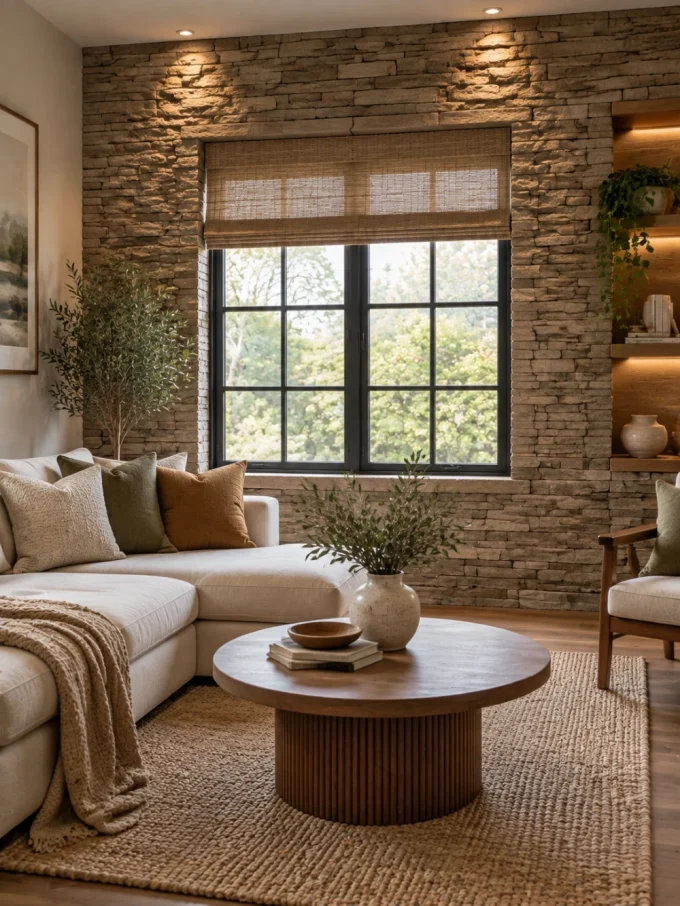
A textured accent wall adds depth without relying only on color.
This approach is useful when you want the wall itself to become an architectural feature.
Why This Idea Works
Texture creates:
- dimension
- shadow variation
- visual interest
- a custom appearance
Examples include:
- plaster-style finishes
- stone textures
- textured panels
- decorative wall treatments
Design Considerations
Texture should support the window instead of competing with it.
Consider:
- natural light direction
- room size
- furniture style
- maintenance requirements
A highly textured wall can become overwhelming in small rooms or rooms with many existing features.
Best For
- living rooms
- dining rooms
- modern homes
- luxury-inspired interiors
Related guide:
Wall Texture Design Ideas
18. Budget DIY Accent Wall With Window
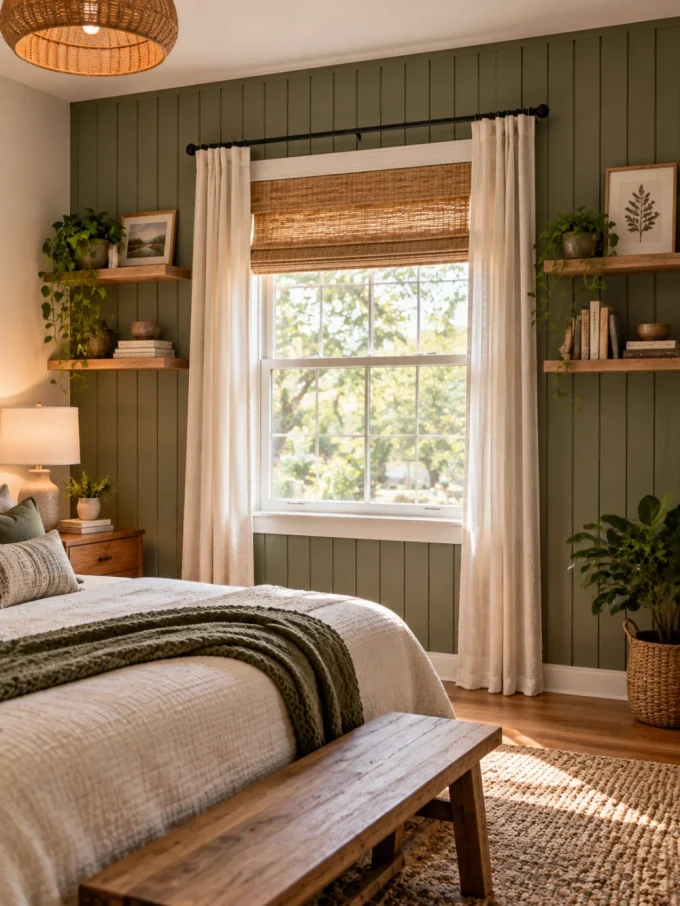
Creating an accent wall does not require an expensive renovation. Many impactful transformations come from simple changes that improve the relationship between the wall and the window.
Why This Idea Works
Budget-friendly options allow homeowners to experiment with:
- color
- trim
- removable wallpaper
- simple decorative upgrades
The key is choosing changes that create a noticeable visual improvement.
Affordable Ideas
Paint Refresh
A carefully chosen color can completely change the feeling of a room.
Simple Trim Details
Small architectural additions can create a custom appearance.
Curtain Upgrade
New curtains can change how the entire window area feels.
DIY Wall Treatment
Simple paneling or removable solutions can add texture without major construction.
Design Considerations
A lower budget does not mean ignoring planning.
The biggest mistakes are:
- choosing a color without considering lighting
- adding decoration without a purpose
- ignoring the window frame and curtains
Choosing the Right Accent Wall Material
The material you choose affects the room’s:
- appearance
- maintenance
- cost
- atmosphere
- long-term flexibility
There is no universal best option. The right choice depends on the room, window placement, and design goal.
| Material | Best Quality | Works Well For | Consider Before Choosing |
|---|---|---|---|
| Paint | Affordable and flexible | Most rooms, quick transformations | Color changes with natural light |
| Wallpaper | Pattern and personality | Bedrooms, statement walls | Installation around windows requires precision |
| Wood Slats | Warmth and texture | Modern organic interiors | Can add visual weight |
| Board and Batten | Architectural character | Traditional and transitional homes | Requires accurate spacing |
| Stone/Textured Finish | Strong visual impact | Feature walls | Higher commitment and maintenance |
Paint Accent Walls
Paint remains the most accessible accent wall option because it is:
- affordable
- easy to update
- available in endless colors
However, always test how the color looks near the window because natural light changes the appearance throughout the day.
Wallpaper Accent Walls
Wallpaper is ideal when you want:
- patterns
- detailed designs
- stronger personality
Around windows, careful planning is important because patterns need to feel continuous rather than interrupted.
Wood Accent Walls
Wood adds warmth and texture.
Best uses:
- bedrooms
- living rooms
- cozy modern interiors
Consider how the wood tone connects with:
- flooring
- furniture
- window trim
Trim-Based Accent Walls
Board and batten or molding creates architectural interest without requiring bold colors.
This is useful when you want the window area to feel custom-built.
How to Make an Accent Wall With a Window Look Designer
A designer-looking accent wall is not created by adding the boldest color or the most expensive material. It comes from creating a relationship between the window, wall treatment, furniture, lighting, and decorative elements.
The best accent walls feel like they belong to the room rather than appearing as a separate project.
1. Treat the Window as Part of the Design
The window should not feel like something placed in the middle of the accent wall.
Instead, consider:
- the window frame
- surrounding trim
- curtain style
- wall color
- nearby furniture
A successful design makes the window and wall work together.
Example:
Bold Accent Wall
A dark green or navy wall can look dramatic with:
- light curtains
- natural wood furniture
- warm lighting
Soft Accent Wall
A beige or muted textured wall can create:
- calm atmosphere
- subtle depth
- timeless appeal
2. Choose Curtains That Support the Accent Wall
Curtains are one of the most important elements around a window accent wall.
They can either strengthen the design or make it feel disconnected.
For Bold Walls:
Use:
- neutral curtains
- textured fabrics
- simple patterns
This allows the wall to remain the main feature.
For Neutral Walls:
You can introduce:
- stronger curtain colors
- patterns
- layered fabrics
The curtain becomes part of the decorative composition.
3. Use Lighting to Enhance the Wall
Lighting changes how an accent wall feels, especially near a window.
Good lighting can highlight:
- texture
- architectural details
- artwork
- wall treatments
Consider:
- wall sconces
- floor lamps
- hidden LED lighting
- natural light direction
Avoid placing lighting that creates unwanted glare on glossy finishes.
4. Balance the Furniture Placement
Furniture determines whether the accent wall feels intentional.
Consider:
Bedroom
The bed often becomes the anchor.
The accent wall should support:
- headboard placement
- bedside tables
- lighting
Living Room
The accent wall should connect with:
- sofa position
- TV placement
- seating arrangement
Office
The wall should support:
- desk placement
- concentration
- organization
5. Do Not Overdecorate Around the Window
A window already creates visual interest.
Adding too many elements can make the area feel crowded.
Avoid:
- excessive artwork
- too many shelves
- oversized decorations
- competing focal points
A designer room usually has controlled details.
Accent Wall With Window Mistakes to Avoid
Understanding common mistakes helps create better results.
Mistake 1: Choosing the Wrong Wall
Not every wall with a window should automatically become an accent wall.
Ask:
- Does this wall naturally attract attention?
- Does it support the room layout?
- Does the window already create enough focus?
Sometimes the best accent wall is another wall that allows the window to remain a supporting feature.
Mistake 2: Ignoring Window Trim
Window trim is part of the overall design.
You can choose:
Blend Approach
Match the trim closely with the wall.
Creates:
- seamless appearance
- modern feeling
- calm design
Contrast Approach
Use a different trim color.
Creates:
- architectural emphasis
- stronger definition
- traditional character
The correct choice depends on the room style.
Mistake 3: Choosing Colors Without Considering Natural Light
A color can look different depending on:
- time of day
- window direction
- amount of sunlight
- surrounding colors
A shade that looks perfect in an inspiration photo may appear different in your own home.
Always consider how the room changes throughout the day.
Mistake 4: Ignoring Curtain and Window Treatment Relationship
The accent wall, window frame, and curtains should feel connected.
A common mistake is designing the wall first and adding curtains later without considering the overall combination.
Think about:
- curtain color
- fabric texture
- curtain height
- privacy needs
Mistake 5: Adding Too Many Competing Features
An accent wall is already a statement.
Avoid combining:
- bold wallpaper
- heavy artwork
- dramatic curtains
- large shelves
all at the same time.
Choose one main feature and let other elements support it.
Mistake 6: Copying Inspiration Photos Without Adapting Them
A beautiful online image may have:
- different room size
- different window shape
- professional lighting
- custom construction
The same design may not work exactly in your home.
Adapt the idea according to:
- your room proportions
- your lifestyle
- your maintenance needs
- your budget
Are Accent Walls With Windows Worth It?
An accent wall with a window can be one of the most effective ways to add personality and architectural interest to a room, especially when the design works with the existing window instead of trying to hide it.
Benefits
Creates a Strong Focal Point
A well-designed accent wall can guide attention and give the room a clear visual center.
Adds Character Without Major Renovation
Compared with larger remodeling projects, accent walls can create significant visual change through:
- paint
- wallpaper
- trim
- texture
Improves Room Identity
The right accent wall can make a room feel:
- warmer
- more personalized
- more complete
Possible Limitations
Requires Planning
The window position affects:
- color choice
- pattern placement
- furniture arrangement
Some Materials Need Maintenance
Examples:
- wallpaper may require careful cleaning
- textured surfaces may collect dust
- wood treatments need appropriate care
Trends Change
A highly specific accent wall style may feel dated over time.
Timeless materials and balanced colors usually have longer appeal.
Frequently Asked Questions About Accent Wall With Window Ideas
These questions address the practical decisions homeowners usually have before creating a window accent wall.
1. Can a wall with a window be an accent wall?
Yes, a wall with a window can become an excellent accent wall when the design works with the window instead of treating it as an interruption.
The window can become:
- the center of the composition
- a framed architectural feature
- a source of natural balance
The best approach depends on:
- window position
- room size
- natural light
- wall treatment
For example, a centered window often works well with symmetrical designs, while an off-center window may benefit from intentional asymmetrical styling.
2. Should the window wall be darker than other walls?
A darker window wall can create a dramatic focal point, but it is not always the best choice.
Consider:
Dark Accent Wall Works Well When:
- the room receives enough natural light
- furniture provides contrast
- the goal is a cozy or dramatic atmosphere
Lighter Accent Wall Works Well When:
- the room is small
- natural light is limited
- you want an airy feeling
The best color depends on the relationship between the wall, window, and the rest of the room.
3. What accent wall color works best with natural light?
There is no single best color because natural light changes how colors appear throughout the day.
Popular choices include:
Warm Neutrals
Good for:
- cozy rooms
- timeless interiors
- natural materials
Deep Greens and Blues
Good for:
- dramatic feature walls
- rooms with enough light
- sophisticated designs
Soft Earthy Tones
Good for:
- calm spaces
- organic interiors
- Japandi-inspired rooms
Always consider the room at different times of the day before committing to a color.
4. Should curtains match an accent wall?
Curtains do not need to exactly match the accent wall.
In many cases, a complementary relationship creates a more designed appearance.
Examples:
Bold Accent Wall
Pair with:
- neutral curtains
- soft textures
- simple patterns
Neutral Accent Wall
Pair with:
- richer fabrics
- subtle patterns
- warmer colors
The goal is coordination, not identical colors.
5. How do you decorate around a window accent wall?
The best decoration approach is controlled styling.
Useful additions include:
- plants
- artwork
- shelves
- lighting
- simple furniture accents
Avoid filling every area around the window because the window itself already creates visual interest.
A balanced design usually combines decoration with intentional empty space.
6. Are wood panels good for window accent walls?
Wood panels can work very well for window accent walls because they add:
- warmth
- texture
- architectural detail
They are especially effective in:
- bedrooms
- living rooms
- modern organic interiors
Before choosing wood panels, consider:
- room size
- wood tone
- maintenance
- relationship with existing furniture
In smaller rooms, lighter wood tones may help maintain an open feeling.
7. Is wallpaper a good choice for an accent wall with a window?
Wallpaper can be an excellent choice because it adds:
- pattern
- texture
- personality
However, windows require careful planning.
Consider:
- pattern alignment
- window trim color
- curtain relationship
- installation quality
A well-planned wallpaper wall can make the window area feel custom-designed.